2026 How to Effectively Manage Glucose Testing for Better Health?
In today's health-conscious world, effective management of glucose testing is vital. Many individuals struggle to maintain optimal glucose levels. This could lead to serious health issues, including diabetes.
Regular glucose testing can empower people to make informed decisions. Knowing one's glucose levels helps identify potential problems early. However, many people find it challenging to adhere to testing schedules. Life gets busy, and tests can feel inconvenient. Not everyone understands how to interpret their results effectively.
Finding a balance between routine testing and daily life is crucial. Some may skip tests, thinking they don’t need them. Others may test too often, leading to unnecessary anxiety. Real progress comes from understanding personal glucose patterns and making adjustments accordingly. Effective glucose testing requires commitment and consistent reflection on one’s health journey.
Importance of Regular Glucose Testing in Diabetes Management
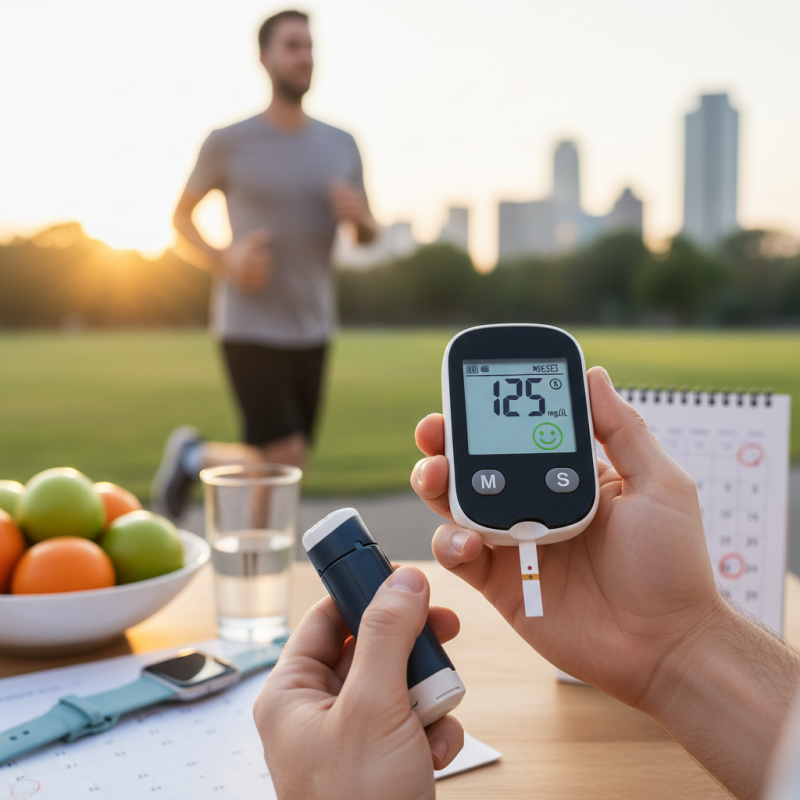
Regular glucose testing is crucial for effective diabetes management. According to the American Diabetes Association, nearly 34.2 million Americans have diabetes. Monitoring glucose levels helps in understanding how food, exercise, and medication affect blood sugar. This understanding allows for better decision-making regarding health.
Tips: Check your glucose at the same time each day. This creates a consistent routine. You can also keep a log of your readings. This data helps identify patterns in your glucose levels.
Many people underestimate the impact of high glucose levels. A report from the Centers for Disease Control and Prevention highlights that uncontrolled diabetes can lead to severe complications like kidney disease and heart problems. It’s essential to reflect on your testing habits. Are you testing regularly?
Tips: Set reminders for testing. Use mobile apps or alarms. Don’t hesitate to ask for help in interpreting your results. Engaging healthcare professionals can also deepen your understanding. This partnership can enhance your overall management plan and enrich your health journey.
2026 How to Effectively Manage Glucose Testing for Better Health
Regular glucose testing is crucial for individuals managing diabetes. It helps in monitoring blood sugar levels effectively, ensuring timely adjustments to diet, medication, and lifestyle choices.
Understanding the Different Types of Glucose Monitors Available
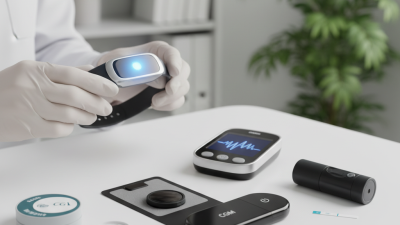
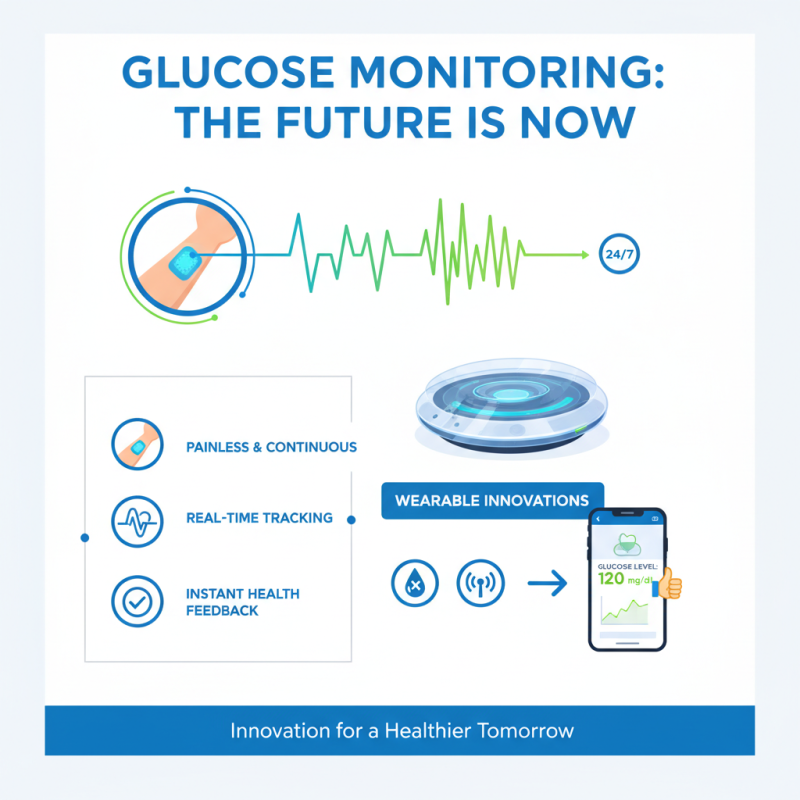
Glucose monitors are vital for managing blood sugar levels. Understanding the types available helps users make informed choices. There are primarily two categories: continuous glucose monitors (CGMs) and traditional fingerstick meters. CGMs provide real-time data and trend information. This instant feedback can be crucial for timely decision-making.
Research indicates that CGMs can reduce HbA1c levels by an average of 0.5% among users. Yet, accuracy can vary. Inaccurate readings may lead to unnecessary insulin doses. It's essential to calibrate traditional meters regularly. Some studies show that approximately 30% of users do not calibrate their devices correctly. This oversight can lead to decisions based on faulty data.
Moreover, many users face challenges in choosing the right monitor. Budget constraints, insurance coverage, and personal comfort all play roles. A significant number of people feel overwhelmed by the options. Reflecting on personal needs and seeking professional advice is crucial. Engaging with healthcare providers can clarify the best tool for individual lifestyles.
Interpreting Glucose Levels: What the Numbers Really Mean
Understanding glucose levels is crucial for managing health. Blood sugar readings can tell us a lot. For example, normal fasting glucose levels range from 70 to 99 mg/dL. Levels above this may indicate prediabetes or diabetes, depending on how high they are. A study from the American Diabetes Association highlights that nearly 38% of U.S. adults are classified as prediabetic.
Interpreting these numbers can be confusing. A reading of 100 to 125 mg/dL suggests prediabetes. Those with levels above 126 mg/dL upon testing could be diagnosed with diabetes. However, these figures are not set in stone. Individual variations exist. Stress, meal timing, and hydration can influence results, making consistent testing essential.
Managing glucose effectively involves regular monitoring. Keep a journal of readings alongside meals and activities. This helps spot patterns and triggers. One might realize that a 2-hour post-meal reading of 140 mg/dL is too high after certain foods. Recognizing these trends can facilitate better lifestyle choices. Always consult healthcare professionals for personalized advice tailored to your specific circumstances.
Best Practices for Accurate Glucose Testing at Home
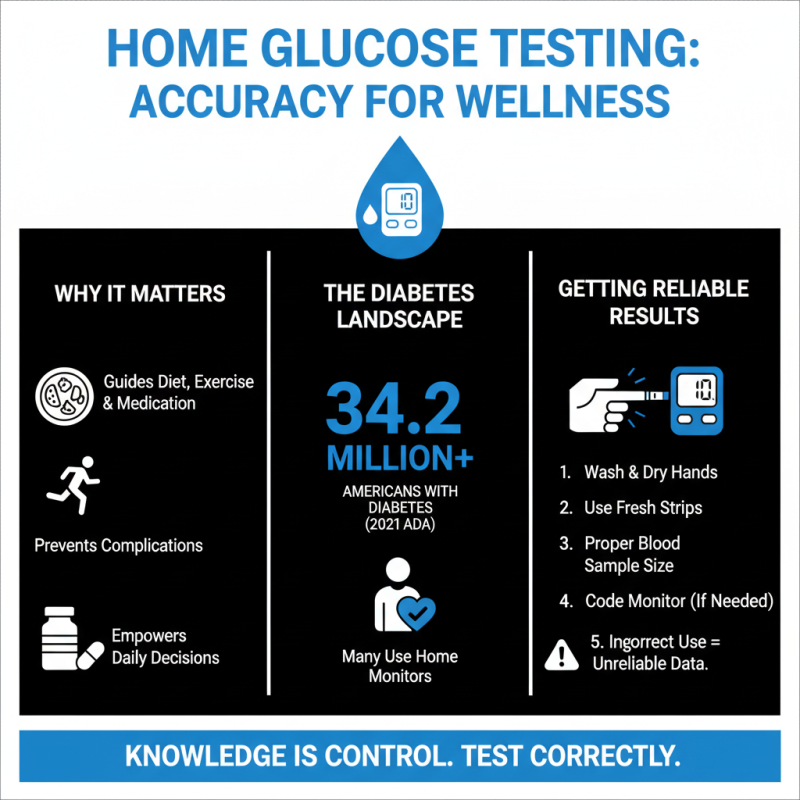
Home glucose testing is essential for managing health, especially for those with diabetes. Accurate readings can guide daily decisions about diet, exercise, and medication. According to a 2021 report from the American Diabetes Association, around 34.2 million Americans are living with diabetes. Many use home glucose monitors. However, not everyone tests correctly, leading to unreliable results.
Best practices start with timing. Testing at different times of the day reveals patterns. Fasting tests show your baseline, while post-meal tests highlight how food affects your levels. Clean hands before testing are crucial. A recent study showed contaminated fingers can skew results, sometimes by over 15%. Also, ensure that your testing device is calibrated and that the strips are not expired. Many forget this step, which can lead to misinterpretation of data.
Additionally, consider the environment. Extreme temperatures can impact test accuracy. A study in 2022 reported that glucose discrepancies increase by 10% in extremes. Label your testing log diligently. Small mistakes can lead to big misunderstandings. Keeping track of your results can help identify concerning trends, prompting necessary lifestyle adjustments. Medical professionals often stress the importance of this practice, yet many overlook it.

 +86-18343147735
 Email
Email WhatsApp