Top Tips for Effective Blood Sugar Test Management?
Effective blood sugar test management is crucial for individuals managing diabetes. According to recent studies, nearly 463 million adults worldwide are living with diabetes, a number projected to rise significantly by 2045. Regular blood sugar tests empower patients to monitor their condition actively. Effective management can reduce the risk of serious complications, including heart disease and nerve damage.
Moreover, research shows that only 57% of diabetics consistently check their blood sugar levels. Many struggle with understanding testing frequencies and interpreting results. This gap in knowledge can lead to poor management outcomes. Blood sugar tests, when done strategically, can provide valuable insights for better health decisions.
Importantly, the results are just numbers without proper context. Patients often overlook lifestyle factors that influence their blood sugar. Personal habits, diet, and medication adherence all play a role. Encouraging regular testing while promoting education can foster more proactive management approaches. By prioritizing blood sugar tests, individuals can take meaningful steps towards healthier lives.
Understanding Blood Sugar Testing: Importance and Frequency
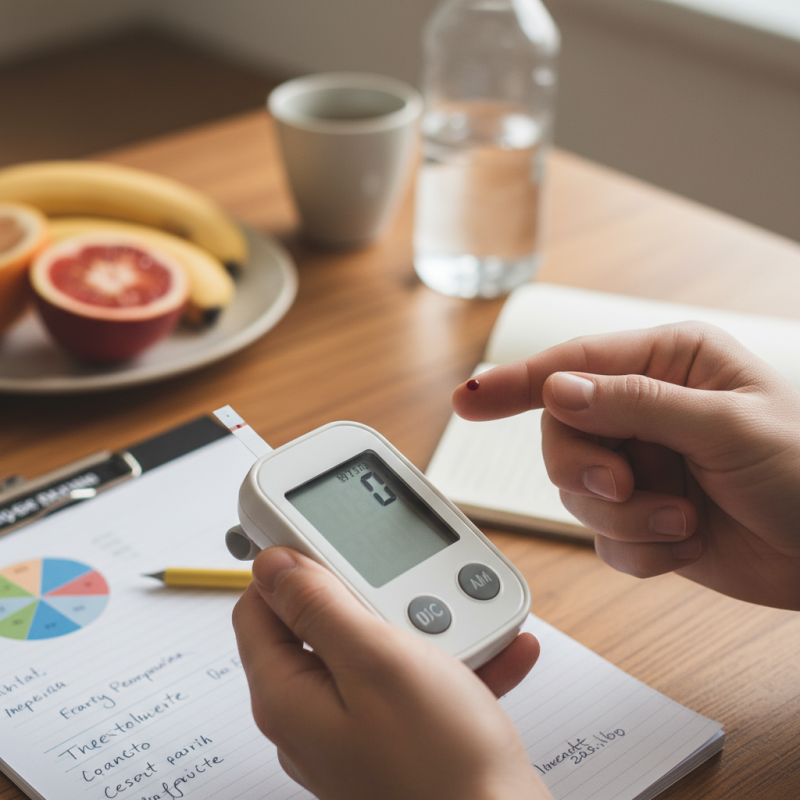
Understanding blood sugar testing is crucial for those managing diabetes or other related health conditions. Regular testing helps you understand how food, exercise, and medication affect your blood sugar levels. Knowing your numbers allows you to make informed decisions about your diet and lifestyle. Many overlook this importance, often waiting until symptoms arise to check their levels. This inconsistency can lead to dangerous spikes or dips in blood sugar.
Frequency of testing can vary based on individual needs. For some, daily testing is essential, especially if medication requires it. Others might find testing a few times a week sufficient. This variability can make it tricky to establish a routine. It’s important to listen to your body and recognize patterns. Sometimes, we forget to test at regular intervals, which can lead to a false sense of security. Being vigilant and proactive about testing habits is necessary for effective health management.
Blood Sugar Levels Throughout the Day
This chart illustrates the typical fluctuation of blood sugar levels throughout the day, showcasing the importance of monitoring these levels at different times to maintain effective blood sugar management.
Step-by-Step Guide to Performing Blood Sugar Tests Accurately
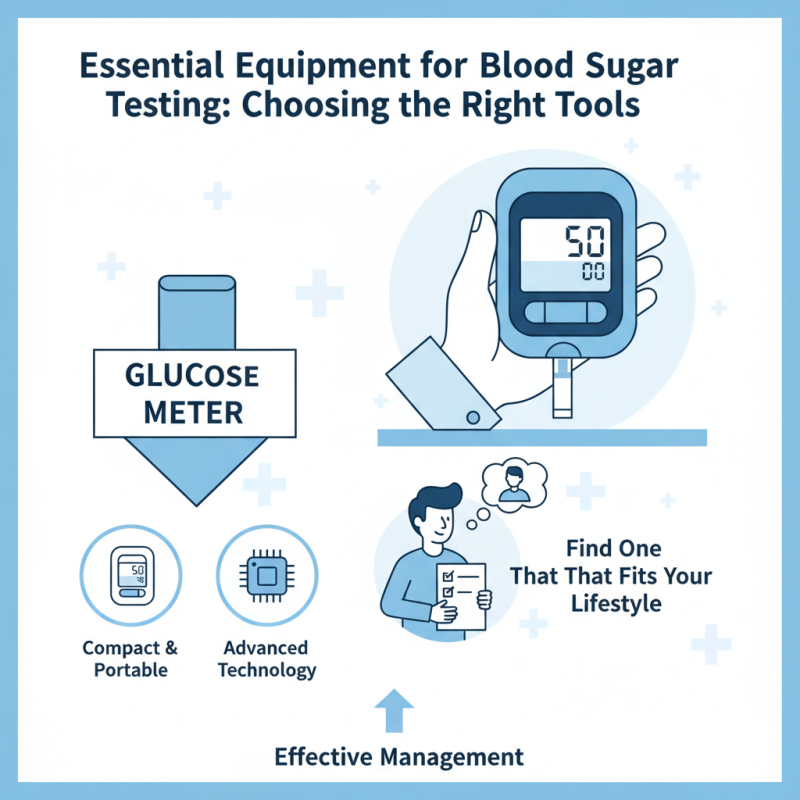
Managing blood sugar testing effectively is crucial for those monitoring their health. Start by assembling your testing supplies. You need a clean lancet device, test strips, and a glucose meter. If any item is missing or old, results may be inaccurate. This can lead to unnecessary worries or neglect of care.
Before testing, wash your hands thoroughly. This simple step can prevent contamination. Dry them completely to avoid dilution with water. Using a fresh lancet can help reduce pain. Also, take your time to find the best finger for testing. Some fingers can be more sensitive or painful than others.
Apply a small drop of blood to the test strip carefully. Ensure the strip is properly inserted into the meter beforehand. Wait for results—this can feel like a long moment, especially if you’re anxious. Remember, results may occasionally surprise you. Reflect on these readings; they can guide your dietary choices. Regularly reviewing your testing routine can highlight areas for improvement.
Top Tips for Effective Blood Sugar Test Management
| Tip |
Description |
Frequency |
| Prepare Your Supplies |
Ensure that all necessary equipment is ready before testing. |
Before each test |
| Wash Your Hands |
Clean hands with soap and water for accurate readings. |
Before each test |
| Use Control Solution |
Test your meter accuracy with control solution periodically. |
Weekly |
| Record Your Results |
Keep a log of your test results for monitoring trends. |
Daily |
| Know Your Target Range |
Be aware of target blood sugar levels for better management. |
Ongoing |
| Consult Your Doctor |
Regularly discuss your test results with your healthcare provider. |
Monthly |
Interpreting Blood Sugar Readings: What the Numbers Mean
Understanding blood sugar readings is crucial for effective diabetes management. The numbers on your glucose monitor tell you more than just whether your levels are high or low. A reading of 70-130 mg/dL before meals is often considered normal, but everyone’s target range may differ. An occasional spike or dip may happen, but patterns can reveal more. If your readings frequently stray from your goal range, it's time to reflect on your lifestyle choices.
When interpreting these results, context is everything. A reading of 150 mg/dL after a meal may be fine for some, but concerning for others. Consider the timing and recent food intake. Did you exercise? How about stress levels? Each detail can affect readings. Relying solely on numbers can lead to oversights. Regular journaling of your meals and activities can bring clarity over time. Patterns tend to emerge, showing habits that require adjustment.
The goal is not perfection but progress. Don’t be discouraged by occasional high or low readings. Each one is a learning opportunity. Ask yourself: what factors contributed to this reading? Reflecting on the why can help you make better choices. Blood sugar management is a journey. Embrace the learning process, and be kind to yourself along the way.
Strategies for Effective Blood Sugar Control After Testing
Managing blood sugar levels effectively is essential for overall health. After testing, it's crucial to implement strategies that can aid in maintaining balance. One approach is to analyze the results immediately. This can help identify patterns. Are there particular foods or stressors that lead to spikes? Writing down these observations can be enlightening.
Meal planning is a practical step. Consider incorporating more whole foods and fiber-rich options. These can slow down sugar absorption. Perhaps switching to whole grains or adding more vegetables could make a difference. It's worth trying different combinations to see what works best.
Combining regular exercise with blood sugar management is key. Even a short walk after meals can help lower levels. However, it’s important to monitor how your body responds. Some days you might not feel like moving; that’s okay. Reflecting on those moments can provide insights into your overall journey. Remember, finding the right balance takes time and patience.

 +86-18343147735
 Email
Email WhatsApp