How to Choose the Right In Vitro Diagnostic Tools for Your Laboratory?
Choosing the right In Vitro Diagnostic tools is critical for any laboratory. A well-informed decision can enhance accuracy and efficiency in testing. Each laboratory has unique needs influenced by the tests they perform and the patient populations they serve.
In Vitro Diagnostic technology has evolved rapidly. New tools can provide faster results and improved accuracy. However, selecting the right equipment is not a straightforward process. Laboratories must consider factors such as budget, space, and intended use. Understanding the performance and reliability of these tools is essential. The wrong choice can lead to misdiagnoses or workflow inefficiencies.
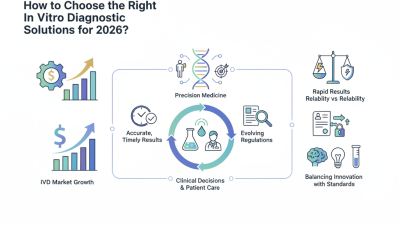
With numerous options available, it's easy to feel overwhelmed. Laboratories must evaluate each tool’s features and the manufacturer’s reputation. Engaging with peers and reading reviews can provide valuable insights. Reflecting on past experiences with diagnostic tools may also help guide future choices. Ultimately, the right In Vitro Diagnostic tools are those that align best with the laboratory's goals and patient needs.

Understanding In Vitro Diagnostic Tools and Their Importance
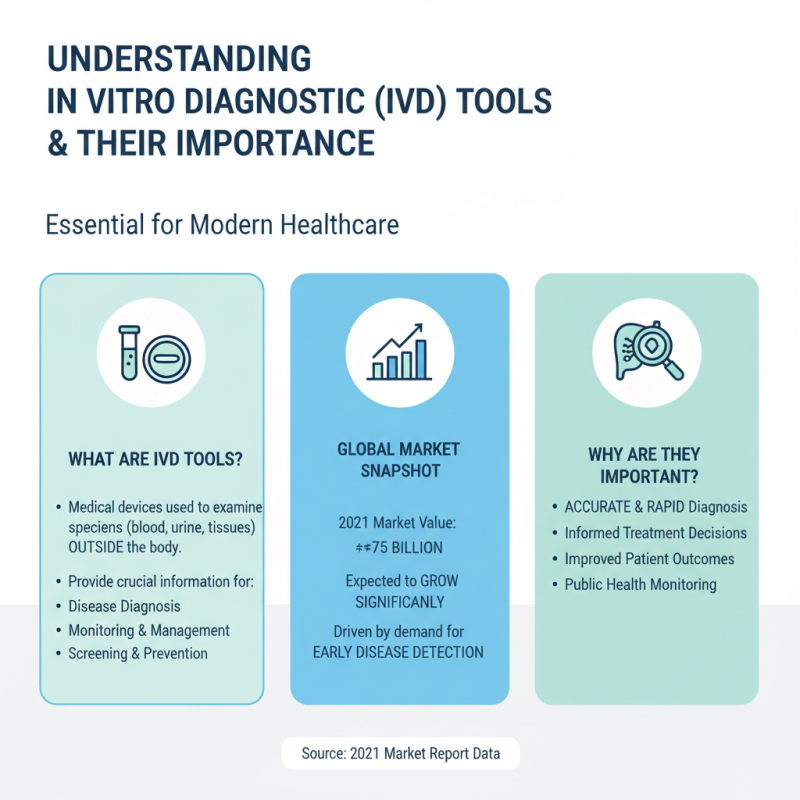
In vitro diagnostic (IVD) tools are essential for modern laboratories. They enable accurate disease diagnosis and management. According to a recent market report, the global IVD market was valued at approximately $75 billion in 2021 and is expected to grow significantly in the coming years. This growth reflects the rising demand for early disease detection.
Choosing the right IVD tools requires a deep understanding of their applications and functionalities. Laboratories often face challenges in selecting the most suitable instruments. For instance, regulatory compliance is crucial. The average delay in obtaining regulatory approval can extend laboratory workflows. Moreover, facilities may struggle with integrating new technologies into their existing systems. A 2022 survey indicated that 25% of laboratories found integration to be a significant obstacle.
Despite the advances in IVD tools, several issues still need addressing. The complexity of certain diagnostics can lead to user error. Technicians may require thorough training to minimize these risks. Additionally, data management remains a critical concern. With increasing data volume, laboratories may find it difficult to ensure accuracy and reliability in results. Continuous improvement and adaptation are necessary for maximizing the potential of IVD tools.
Identifying Laboratory Needs and Requirements for Diagnostic Tools
Identifying the needs and requirements for diagnostic tools is a critical step in optimizing laboratory performance. Begin by assessing the specific tests your laboratory aims to conduct. Understand the types of samples you will process and the expected turnaround times. This foundational knowledge will help you narrow down the necessary features for your in vitro diagnostic tools.
Consider the regulatory landscape as well. Compliance with relevant standards is essential for avoiding issues down the line. Analyzing your current diagnostic capabilities can also highlight areas needing improvement. Are there gaps in the types of tests offered or delays in processing? Reflecting on these aspects may reveal the need for more advanced technologies or user-friendly interfaces.
Engage with your laboratory staff to gather insights as well. They can provide feedback on existing tools and suggest improvements based on their experiences. This collaborative approach fosters a work environment where everyone feels valued. Feedback can lead to better-informed decisions when selecting new tools. Aim for a balance between technical specifications and ease of use, ensuring the diagnostic tools truly fit your laboratory's needs.
Evaluating Different Types of In Vitro Diagnostic Technologies
When selecting in vitro diagnostic (IVD) tools, understanding the different technologies is crucial. Many laboratories deal with various types, including molecular, immunoassay, and biochemical methods. Each has unique strengths and weaknesses impacting accuracy and speed. For example, molecular diagnostics offer high specificity but require thorough training. In contrast, immunoassays can provide quick results but may deliver less precise outcomes.
It’s vital to consider your laboratory's specific needs. Some environments prioritize rapid testing, while others require deep analytical capabilities. Assessing the test volume will also influence your decision. Too many options without clear guidance can lead to confusion. Gathering input from experienced lab professionals can provide valuable insights.
Another essential factor is user-friendliness. Complex systems may require extensive training. If a technology is overly complicated, it can hinder daily operations. Reflecting on past decisions can help navigate future choices better. Balancing innovation with practical application is key to making informed selections.
Assessing Regulatory Compliance and Certification for Diagnostic Tools
Choosing the right in vitro diagnostic tools hinges heavily on understanding regulatory compliance. Regulatory bodies, like the FDA, set strict guidelines. Products must meet specific safety and efficacy standards. The premarket approval process can be rigorous. It ensures that diagnostic tools are reliable and effective.
Some studies indicate that nearly 40% of diagnostic devices fail to meet regulatory requirements on first submission. Laboratories must stay informed about updates in regulations. Legislative nuances can change frequently. This is where expertise plays a crucial role. Engaging professionals with knowledge of the regulatory landscape can mitigate risks.
Certification is another essential aspect. It often serves as evidence of quality and reliability. Tools that are CE-marked or ISO-certified typically demonstrate a higher level of compliance. However, not all certifications are equal. A tool may be certified but still need performance assessment. Therefore, ongoing evaluation of tools is vital post-certification. This practice helps in maintaining high standards in laboratory results.
How to Choose the Right In Vitro Diagnostic Tools for Your Laboratory? - Assessing Regulatory Compliance and Certification for Diagnostic Tools
| Diagnostic Tool Type |
Regulatory Compliance Standard |
Certification Body |
Approval Status |
Average Cost (USD) |
| PCR Kits |
CLIA |
FDA |
Approved |
$150 |
| ELISA Kits |
ISO 13485 |
CE |
Approved |
$120 |
| Immunoassays |
FDA 510(k) |
FDA |
Pending |
$200 |
| Rapid Tests |
CLIA |
WHO |
Approved |
$50 |
| Microbial Culture Tests |
ISO 15189 |
FDA |
Approved |
$75 |

 +86-18343147735
 Email
Email WhatsApp