China Best Fbs Blood Test Understanding Importance and Process?
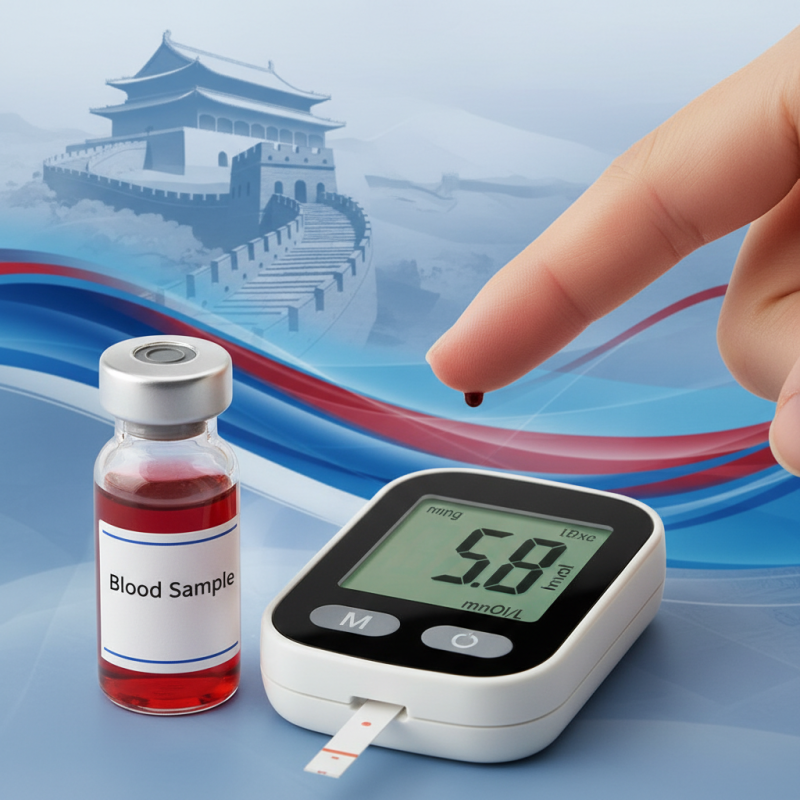
The Fbs Blood Test plays a crucial role in assessing one’s health. This test measures fasting blood sugar levels. Elevated levels can indicate diabetes or pre-diabetes. Understanding its importance can lead to better health choices.
In China, the Fbs Blood Test is widely used. Many individuals, however, overlook its significance. Regular testing helps in early detection of potential health issues. Ignoring this test may lead to serious conditions down the line. It’s essential to prioritize this simple yet vital check.
The process is straightforward but requires some preparation. Fasting for at least eight hours is necessary before the test. This might seem challenging for some, causing uncertainty. Yet, adhering to this protocol enhances the accuracy of the results. Embracing this routine can significantly impact overall well-being.
Understanding Fasting Blood Sugar (FBS) Test in China
The Fasting Blood Sugar (FBS) test is vital for monitoring health. In China, it is commonly used to detect diabetes and prediabetes. This test measures blood sugar levels after fasting for at least eight hours. Patients typically visit clinics in the morning to ensure accurate readings. It's a simple yet effective way to gauge how well the body processes sugar.
Preparation is crucial for this test. Clients should avoid food and drink, except water, before the test. Some may find this challenging. It requires discipline and commitment. After fasting, a healthcare professional draws blood for analysis. The results reveal whether blood sugar levels are normal, elevated, or dangerous. However, many people overlook the importance of regular testing and understanding their results. Ignoring symptoms can lead to severe health issues.
Understanding FBS levels is not just about numbers. Awareness is key to prevention. Individuals may feel anxious about the process. This anxiety could deter them from getting tested regularly. Open discussions with healthcare providers can help. Knowledge empowers clients to take control of their health. Regularly monitoring FBS is a step toward a healthier life.
Understanding Fasting Blood Sugar (FBS) Test in China
| Parameter |
Normal Range |
Importance |
Testing Process |
| Fasting Blood Sugar (FBS) |
70-99 mg/dL |
Indicates glucose metabolism and risk of diabetes. |
Blood test after at least 8 hours of fasting. |
| Pre-diabetes |
100-125 mg/dL |
Early warning for potential diabetes. |
Similar fasting criteria as FBS. |
| Diabetes |
126 mg/dL or higher |
Indicates the presence of diabetes. |
Confirmed by two separate tests or additional testing. |
| Testing Frequency |
Every 3 years after age 45 |
Early detection enables management of health. |
Recommended by health professionals. |
Importance of FBS Testing for Health Monitoring
Fasting Blood Sugar (FBS) testing is crucial for health monitoring. It helps detect diabetes and assess glucose levels. Monitoring your blood sugar can prevent complications like heart disease and nerve damage. Regular testing gives insights into your overall health. High or low readings can indicate issues needing attention.
Tips: Maintain a healthy diet rich in fiber. Avoid sugary snacks. This can help manage your blood sugar levels effectively.
FBS tests are often done in the morning after an overnight fast. Consistent testing can reveal patterns in your glucose levels. Awareness of these patterns is essential for making lifestyle changes. Sometimes, results can be misleading, leading to unnecessary worry. It’s important to discuss your readings with a healthcare professional.
Tips: Stay hydrated before your test. Drink water, but avoid any food or drinks with calories. Test results can be influenced by various factors, including stress and illness. Reflect on your lifestyle choices to optimize your health.
Step-by-Step Process of Conducting an FBS Test
The fasting blood sugar (FBS) test is essential for assessing blood glucose levels. It helps in diagnosing diabetes and prediabetes. A recent study found that nearly 30 million people in China have diabetes, highlighting the importance of monitoring blood sugar levels. Understanding the process of an FBS test can empower individuals to take control of their health.
The FBS test begins with preparing for an 8-12 hour fast. Water is allowed, but nothing else. After fasting, a blood sample is taken, often from a vein in the arm. This step might seem minor, yet it determines a person’s metabolic state. A laboratory analyzes the blood for glucose levels. Results typically arrive within a day or two. It is crucial to follow the fasting guidelines closely for accurate results.
Some patients may feel anxious or forgetful about the fasting period. This can lead to unreliable outcomes, possibly resulting in misdiagnosis. Studies show 3-5% of test results may be inaccurate due to improper preparation. Thus, educating patients on the importance of adherence is necessary. Every step in this process matters, and awareness can lead to better health decisions.
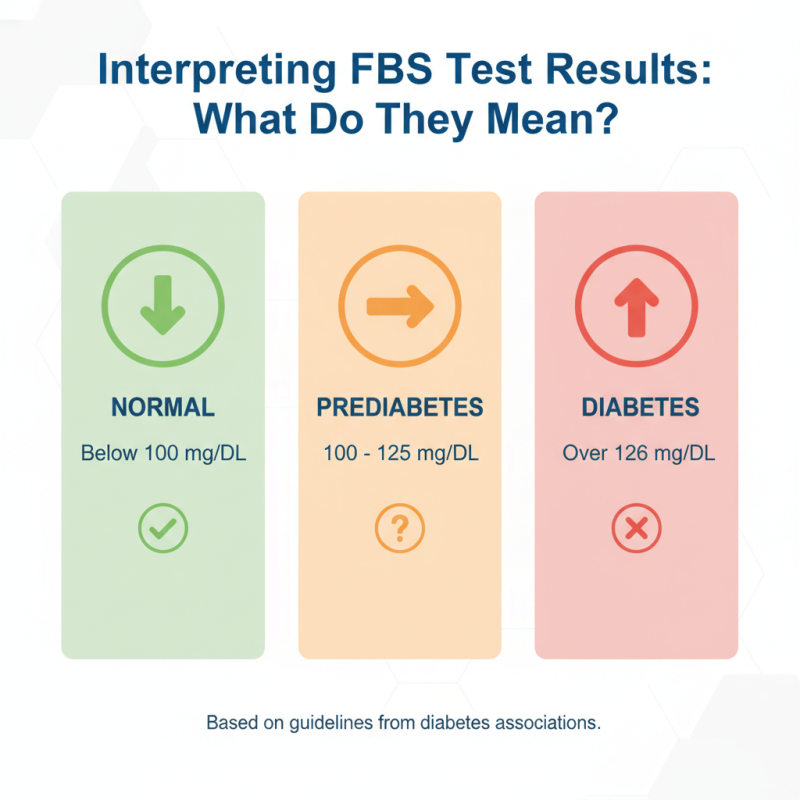
Interpreting FBS Test Results: What Do They Mean?
Fasting Blood Sugar (FBS) tests are crucial for assessing glucose levels in the body. Understanding FBS test results is essential in managing diabetes. A fasting blood sugar level below 100 mg/dL is typically considered normal. However, levels between 100 to 125 mg/dL indicate prediabetes. Over 126 mg/dL suggests diabetes. These numbers are based on guidelines from diabetes associations.
Researchers report that around 88 million adults in the U.S. have prediabetes. Many remain unaware of their status. This lack of awareness can lead to significant health risks. Regular testing can provide vital insights. An FBS test is often simple, requiring only a 8 to 12 hour fast. Yet, individuals might neglect it. Skipping this test can lead to delayed diagnosis and treatment.
Interpreting FBS results should trigger action. An abnormal result is a call for lifestyle changes. Diet, exercise, and regular check-ups become more critical. For some, medication may be necessary. Yet, many people resist making these changes. This resistance can stem from disbelief or fear. Being proactive about health is essential for long-term well-being.
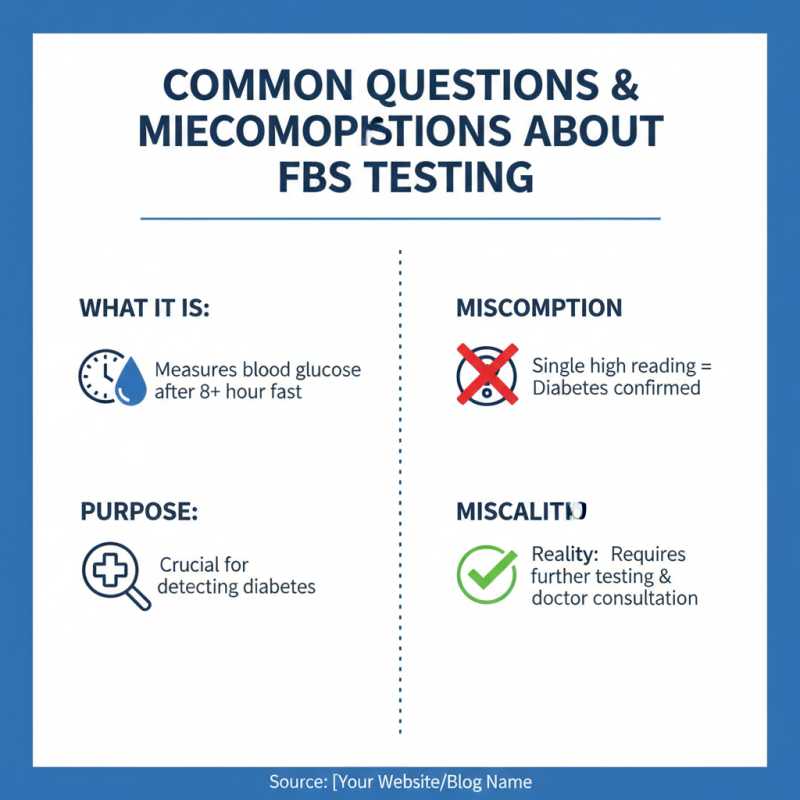
Common Questions and Misconceptions about FBS Testing
Fasting blood sugar (FBS) testing is crucial for detecting diabetes. Many people misunderstand the purpose of this test. It measures blood glucose levels after fasting for at least eight hours. However, many believe a single high reading confirms diabetes. This misconception can lead to unnecessary worry.
Studies show that a fasting blood sugar level over 126 mg/dL indicates diabetes. Yet, doctors often recommend repeat testing. A single reading may not reflect your overall health. Frequent fluctuations in blood sugar levels can occur due to diet, stress, or medication.
Tips: Don’t overlook the importance of regular monitoring. Keep a food diary to track dietary habits. This may help identify patterns affecting your blood sugar.
Another common myth is that FBS tests are solely for diabetic patients. Actually, these tests benefit everyone, especially those with risk factors like obesity or family history. Understanding your glucose levels is essential for early intervention.
Tips: Consult healthcare professionals about when to get tested. Regular check-ups can catch potential issues early, reducing future health risks.

 +86-18343147735
 Email
Email WhatsApp