What is Blood For Test and Why Do You Need It?
Blood For Test plays a crucial role in diagnosing health conditions. These tests require a sample of blood to provide vital insights. Doctors often recommend them to monitor overall health or evaluate specific symptoms.
Understanding why blood tests are necessary can empower patients. They reveal hidden issues that may not show obvious signs. For example, a simple blood test can detect diabetes, anemia, or infections. Such information guides treatment decisions and lifestyle changes.
However, not everyone feels comfortable with blood tests. Some might worry about needles or the potential for inaccurate results. It’s essential to address these concerns. Open conversations with healthcare providers can lead to better understanding and acceptance of Blood For Test as a valuable health tool. Engaging in this dialogue helps demystify the process and encourages proactive health management.
What is Blood Testing and Its Importance in Modern Medicine
Blood testing plays a crucial role in modern medicine. It provides valuable insight into a person’s health. Through a simple blood draw, healthcare providers can identify numerous conditions. Tests can reveal issues with organs, hormones, or even detect infections. This information guides treatment decisions, impacting patient outcomes.
The process can seem intimidating. Many people fear needles and results. However, blood tests are often quick and relatively painless. They require small samples, yet offer a wealth of data. Common tests can measure glucose levels, cholesterol, and red blood cell counts. Each result helps create a clearer picture of health.
Despite its importance, some individuals overlook regular testing. They may feel healthy and dismiss doctor recommendations. This can lead to undiagnosed conditions that worsen over time. Regular blood tests offer a proactive approach to health management. They can catch problems early, when treatment is usually more effective.
Types of Blood Tests: A Comprehensive Overview of Common Tests
Blood tests are essential diagnostic tools in healthcare. They provide valuable information about a person's health status. Common blood tests help detect various conditions and illnesses. From simple complete blood counts to more complex metabolic panels, understanding these tests is crucial for proper health management.
One of the most frequently performed tests is the complete blood count (CBC). It measures red blood cells, white blood cells, hemoglobin, and platelets. The CDC reports that CBC results help identify anemia, infections, and other disorders. Another important test is the lipid panel. It assesses cholesterol levels, indicating the risk of heart disease. The American Heart Association emphasizes the importance of cholesterol management.
Tips: Always discuss test results with your healthcare provider. Ensure you understand what the numbers mean. It’s crucial to follow up on abnormal results. Remember to fast when required before certain tests for accurate results. Being informed leads to better health decisions. Engage actively in your health journey.
Types of Blood Tests and Their Common Uses
This chart illustrates the common types of blood tests and their prevalence based on a survey of healthcare providers. Understanding these tests can help you know what to expect during routine check-ups.
Understanding Blood Test Results: Key Indicators of Health
Blood tests are crucial for assessing our health. They measure various indicators, including glucose levels, cholesterol, and vitamin deficiencies. According to the CDC, nearly half of American adults have at least one chronic disease, often detectable through blood tests. Regular check-ups can reveal unexpected health issues early on.
Key indicators in blood tests can highlight risks. For example, elevated cholesterol levels can predict heart disease. The American Heart Association notes that 39% of U.S. adults have high cholesterol. Such data stress the importance of monitoring these levels regularly. It's alarming that many ignore their results. Understanding these numbers can lead to better health choices.
Iron levels and vitamin D status are other critical markers. A report from the National Institutes of Health states that about 42% of Americans are vitamin D deficient. This deficiency can lead to bone problems and weaken the immune system.
Monitoring these aspects can help prevent long-term issues. Regular blood tests can provide valuable insight into our overall well-being. It’s time to take these results seriously.
The Role of Blood Tests in Diagnosing Diseases and Conditions
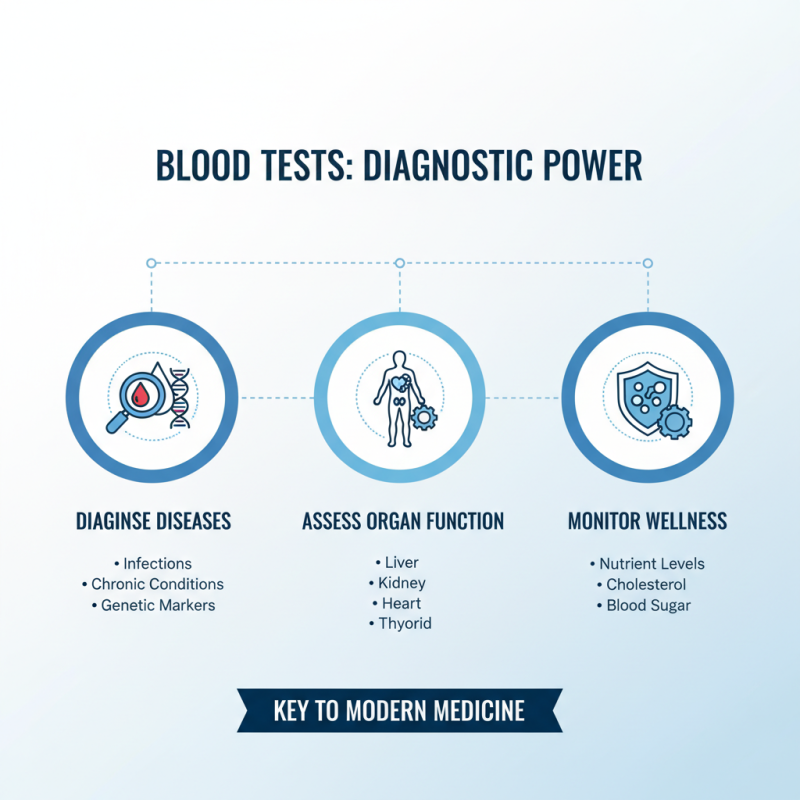
Blood tests are a crucial tool in modern medicine. They help diagnose a wide range of diseases and conditions. When a healthcare provider needs to identify an issue, blood tests often come into play. These tests can reveal information about your overall health, the functioning of organs, and potential infections.
By examining specific components of blood, such as white and red blood cells, doctors can detect conditions like anemia, infections, and even some cancers. For example, low red blood cell counts may indicate anemia, while high white blood cell counts could suggest an infection. However, interpreting these results isn't always straightforward. Variations in diet or medications can affect outcomes. A small mistake in sample handling can also lead to misleading results.
The role of blood tests extends beyond diagnosis. They can guide treatment decisions, monitor disease progression, and assess recovery. Yet, people often overlook the importance of follow-up tests. Skipping these can leave concerning issues unidentified. Ensuring clear communication with healthcare providers about results is key. Misunderstandings can arise, leaving patients anxious or confused about their health.
Trends in Blood Testing: Innovations and Technological Advances
Blood testing is becoming increasingly important in healthcare. With recent innovations, the way we analyze blood has evolved tremendously. New technologies are making tests faster, more accurate, and less invasive. For example, fingerstick tests can now provide reliable results without the need for large blood draws. This can reduce anxiety and discomfort for patients.
Tip: Always discuss your concerns with your doctor. Understanding what a test entails can ease your worries.
Moreover, advancements in data analysis are improving results interpretation. Artificial intelligence is now used to identify patterns in blood results that human eyes might miss. This means earlier diagnosis of conditions like diabetes or cholesterol issues. While these innovations are exciting, relying solely on technology can be risky. Personal context matters in interpretation.
Tip: Keep a health journal. Document any symptoms or changes. This can help healthcare providers make better decisions.
Ultimately, blood testing trends show promise, but human oversight is still essential. Patients should remain engaged in discussions about their tests and results. This ensures their health needs are met effectively, balancing technology and personal input.
What is Blood For Test and Why Do You Need It? - Trends in Blood Testing: Innovations and Technological Advances
| Test Type |
Purpose |
Technology Used |
Time to Results |
Advantages |
| Complete Blood Count (CBC) |
Assess overall health and detect disorders |
Automated Hematology Analyzers |
Few hours |
Quick results and comprehensive information |
| Lipid Panel |
Evaluate cardiovascular risk |
Spectrophotometric Analysis |
1-3 days |
Helps in prevention strategies |
| Blood Glucose Test |
Manage diabetes |
Glucose Oxidase Method |
Same day |
Essential for safe diabetes management |
| Thyroid Function Tests |
Evaluate thyroid health |
Immunoassays |
1-2 days |
Accurate assessment of hormone levels |
| Coagulation Tests |
Assess blood clotting ability |
Coagulometers |
1 day |
Critical for surgery and trauma management |

 +86-18343147735
 Email
Email WhatsApp