10 Best Blood Tests You Need to Know About?
The importance of blood tests cannot be overstated in modern medicine. Blood tests are vital tools that offer healthcare providers a glimpse into a patient's health. According to the Centers for Disease Control and Prevention (CDC), millions of blood tests are conducted annually in the U.S. alone, highlighting their role in disease diagnosis and management.
Blood tests can detect conditions such as diabetes, anemia, and infections. They play a critical role in preventive healthcare. In fact, numerous studies have shown that regular blood tests can lead to earlier disease detection, significantly improving patient outcomes. Yet, many people underestimate their importance. Some avoid them due to fear or a lack of understanding.
However, not every blood test is necessary. Choosing the right tests can be a challenge. Medical experts encourage discussions with healthcare providers to identify which blood tests are essential based on personal health history. The landscape of blood tests is vast, and knowing which ones to prioritize can make a difference. Understanding this can pave the way for proactive health management and better quality of life.

Understanding the Importance of Blood Tests in Health Management
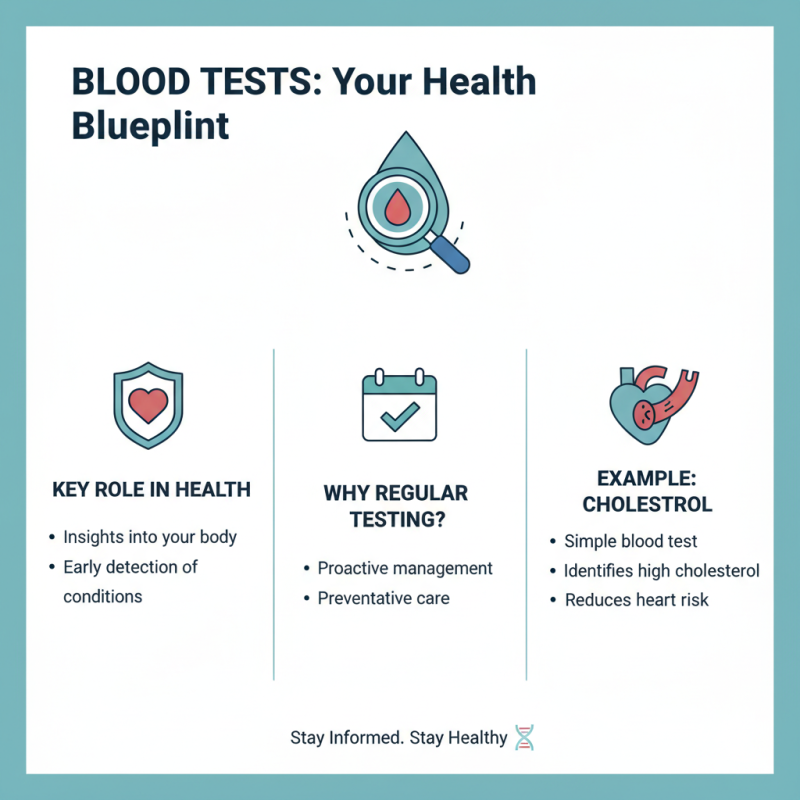
Blood tests play a crucial role in health management. They provide insights into various aspects of our health. Regular testing can reveal conditions early. For example, a simple blood test can indicate issues with cholesterol levels. High cholesterol often leads to heart problems. Recognizing this can lead to prompt action.
Many people overlook the importance of routine blood tests. We tend to focus on visible symptoms. However, some health issues are silent. Blood tests can uncover problems before they escalate. They help in tracking diseases like diabetes or anemia. Testing for vitamin deficiencies can also guide dietary changes. Small adjustments can result in significant health improvements.
It’s essential to engage with healthcare providers about these tests. Often, the process can feel overwhelming. Patients must ask questions and seek clarity. Not all tests are necessary for everyone. Tailoring tests to individual needs is vital. This personalized approach ensures better health outcomes.
Top 10 Essential Blood Tests Every Adult Should Consider
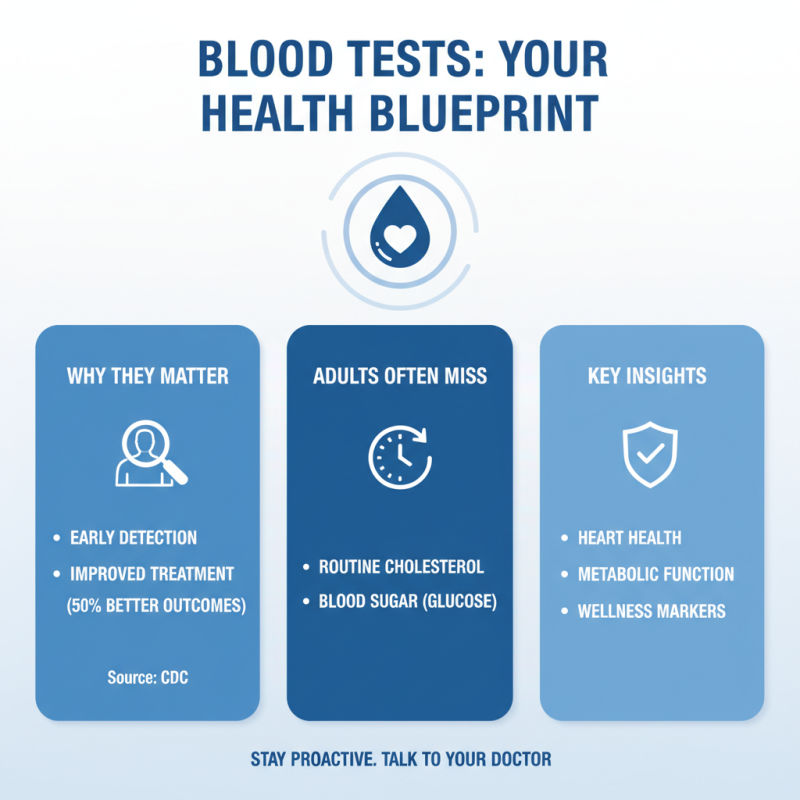
When it comes to health, blood tests play a crucial role. Many adults overlook essential tests that can provide key insights into their well-being. The Centers for Disease Control and Prevention (CDC) estimates that routine blood work can detect conditions early, improving treatment outcomes by 50%.
One vital test is the Complete Blood Count (CBC). It assesses overall health and detects disorders like anemia. Nearly 3 million Americans suffer from this condition. Another important test is the Basic Metabolic Panel (BMP), which measures glucose, calcium, and electrolytes. Abnormal results can indicate kidney issues or diabetes, affecting millions.
Cholesterol tests are also essential. High cholesterol is a significant risk factor for heart disease, which accounts for 697,000 deaths annually in the U.S. Despite awareness, studies show that only about 50% of adults have their cholesterol levels checked regularly. This prompts reflection—are we doing enough to monitor our health? Understanding these tests and their implications is critical for a healthier future.
How to Interpret the Results of Common Blood Tests
Blood tests are crucial in assessing your health. Knowing how to interpret the results can empower you to make informed decisions. For instance, a Complete Blood Count (CBC) provides vital information about your overall health. It measures elements like red blood cells, white blood cells, and platelets. Low red blood cell counts may indicate anemia, while high white blood cell counts can suggest infection.
When reviewing your results, pay attention to reference ranges. They indicate what is considered normal. A result outside this range could be a sign of an underlying issue. However, not all variations are alarming. Minor discrepancies might just be temporary fluctuations.
Tips: Keep a record of your blood test results over time. This can reveal patterns that might concern you. Always consult with a healthcare professional for personalized interpretation. Each individual’s body is unique, and results can vary based on many factors. Don't hesitate to ask questions, especially if something looks off. Understanding your blood tests takes time and may involve some trial and error.
10 Best Blood Tests You Need to Know About
When and Why You Should Consult a Healthcare Provider for Blood Tests
Blood tests are crucial for health monitoring. They provide insight into your body's functions. You should consult a healthcare provider when experiencing symptoms. Common issues include fatigue, unexplained weight changes, or persistent pain. These symptoms might indicate underlying health issues that require testing.
Research shows that around 70% of medical decisions depend on lab results. This emphasizes the importance of getting tested. Regular check-ups can identify conditions early. For instance, disorders like diabetes or high cholesterol can often be managed effectively if caught early.
**Tip:** Schedule an annual screening, even if you feel fine. This proactive approach can catch potential problems.
Another moment to consider consulting a healthcare provider is if your family has a history of certain illnesses. Genetic factors can significantly influence your health. If conditions like heart disease or cancer run in your family, tests may be necessary sooner than later.
**Tip:** Discuss your family medical history with your provider. It helps tailor a testing plan specific to your needs.
10 Best Blood Tests You Need to Know About
| Test Name |
Purpose |
When to Test |
Consult Provider |
| Complete Blood Count (CBC) |
Evaluate overall health and detect disorders |
Annual check-ups or if symptoms occur |
If you have unexplained symptoms such as fatigue |
| Lipid Panel |
Assess risk of heart disease |
Every 4-6 years for adults, more frequently if at risk |
If you have high cholesterol or family history |
| Thyroid Function Tests |
Evaluate thyroid health |
When hypothyroid or hyperthyroid symptoms appear |
If you experience fatigue, weight changes |
| Blood Glucose Test |
Screening for diabetes |
If at risk or during routine exams |
If you have high blood sugar symptoms |
| Basic Metabolic Panel (BMP) |
Assess metabolism and chemical balance |
During routine screenings or if ill |
If you have dehydration or kidney issues |
| Vitamin D Test |
Check vitamin D levels for bone health |
If you have bone pain or fractures |
If you have risk factors for deficiency |
| C-Reactive Protein (CRP) |
Measure inflammation in the body |
Generally when an inflammatory condition is suspected |
If you have chronic inflammatory conditions |
| HIV Test |
Screen for HIV infection |
At least once for adults, more frequently if at risk |
If you have risk behaviors or symptoms of infection |
| Prostate-Specific Antigen (PSA) |
Screen for prostate cancer |
Starting at age 50 or sooner with family history |
If you have prostate symptoms or family history |
Future Trends in Blood Testing: Innovations and Advancements
The future of blood testing is exciting, driven by innovations and technological advancements. Blood tests are evolving rapidly, offering new insights into health and disease. According to a recent industry report, the global blood testing market is expected to reach $70 billion by 2025, reflecting strong growth from increasing demand.
One major trend is the rise of microfluidics technology. It allows for smaller samples and quicker results. These advances could lead to wearable devices that continuously monitor key health markers. Imagine a patch on your skin, analyzing your blood in real time. This shift could transform how we track personal health, but it also raises questions about privacy and data security.
Tip: Stay informed about new blood testing technologies. Regularly discuss advancements with your healthcare provider. They can guide you on useful tests that fit your health needs.
Another notable trend is the focus on genomics. Blood tests now offer insights into genetic predispositions to diseases. An analysis can reveal risks for certain conditions, enabling proactive healthcare. However, with such power comes responsibility. Understanding complex results can be daunting, and misinterpretation can lead to unnecessary anxiety.
Tip: Consider genetic counseling if you opt for genetic blood tests. This can provide clarity and support in understanding results. Advances in blood testing pave the way for personalized medicine, but careful navigation of information is vital.

 +86-18343147735
 Email
Email WhatsApp