10 Best Blood Test Methods for Accurate Blood Health Monitoring?
Blood tests are crucial for monitoring health. They provide insights into various conditions and guide medical decisions. Recent industry reports show that nearly 70% of all diagnoses rely on lab test results, particularly blood tests. This statistic underscores the importance of accurate blood health monitoring.
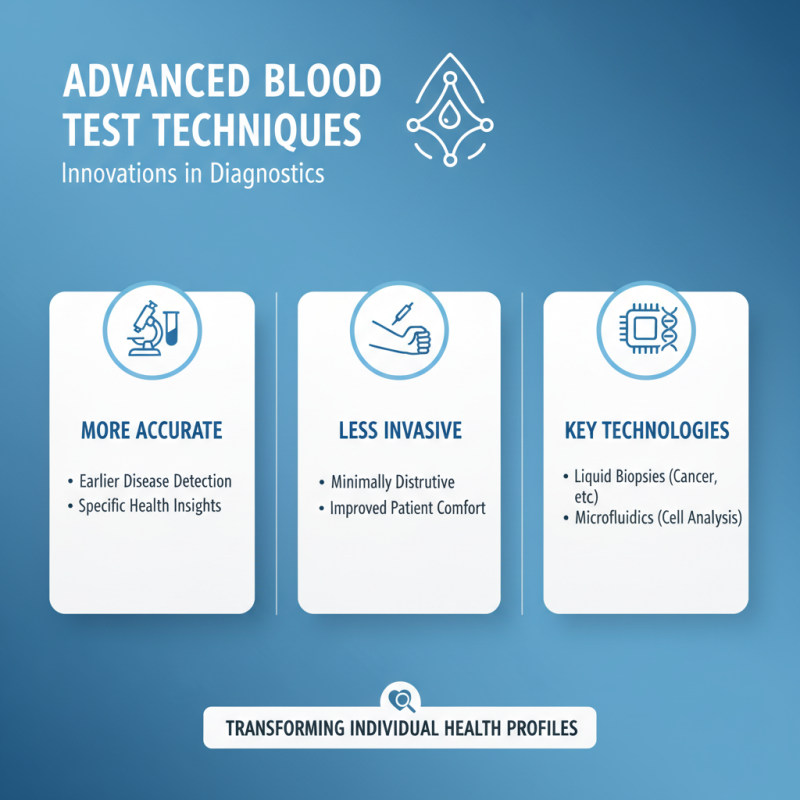
Different methods for blood testing exist. Each method offers unique advantages and limitations. For instance, standard tests may source typical health markers, while advanced techniques can detect rare diseases. However, not all methods guarantee precision. Studies indicate that up to 30% of lab results can be inaccurate due to technical errors or sample quality.
In an era where personalized medicine is on the rise, understanding these methods becomes vital. Awareness of the best blood test options can lead to better health outcomes. Patients should be proactive in discussing their blood test results with healthcare providers. Trusting the data is essential, but reflections on methods and interpretations can enhance health management. Thus, exploring the ten best blood test methods can empower individuals in their health journeys.

Overview of Blood Health Monitoring: Importance and Methods
Blood health monitoring is essential in today's fast-paced world. Regular blood tests can provide critical insights into various health conditions. According to a 2022 report by the American Journal of Clinical Pathology, over 60% of diagnoses rely on laboratory test results. This emphasizes the importance of understanding and utilizing effective blood test methods.
Analyzing blood can reveal issues like anemia, diabetes, and even liver disease. In fact, the Centers for Disease Control and Prevention indicates that routine blood screenings can reduce disease complications by up to 30%. However, many people remain unaware of the available testing methods. Some common options include complete blood counts, lipid panels, and metabolic panels, each serving vital diagnostic purposes. They can highlight deficiencies and indicate potential health risks early on.
While innovative tests improve accuracy, there are still gaps in awareness about their significance. A study noted that 40% of adults do not prioritize blood health monitoring. This lack of emphasis may lead to missed opportunities for early intervention. Inadequate knowledge about available tests and their benefits is evident among various populations. Awareness campaigns could bridge this gap.
Common Blood Test Types: Analyzing Key Health Indicators
Blood tests are essential for monitoring health. They provide insights into various key indicators. Common tests include Complete Blood Count (CBC), which assesses red and white blood cells. It helps detect anemia, infections, and other disorders.
Another frequently used test is the Lipid Panel. This test measures cholesterol and triglycerides. High levels can indicate cardiovascular risks. The Basic Metabolic Panel (BMP) is also vital. It evaluates glucose, calcium, and electrolytes, offering a snapshot of kidney and metabolic health.
Understanding these tests can be challenging. Many people lack awareness of what results mean. It's crucial to discuss any concerns with healthcare providers. Knowledge can empower better health decisions. Regular monitoring is not just about numbers; it reflects overall well-being.
10 Best Blood Test Methods for Accurate Blood Health Monitoring
| Test Type |
Purpose |
Frequency |
Key Indicators |
| Complete Blood Count (CBC) |
Assess overall health, diagnose conditions |
Annually |
Red/White blood cells, Hemoglobin |
| Lipid Panel |
Evaluate cholesterol levels |
Every 5 years |
Total cholesterol, LDL, HDL, Triglycerides |
| Blood Glucose Test |
Monitor blood sugar levels |
Annually for adults |
Fasting blood sugar |
| Thyroid Function Tests |
Assess thyroid health |
Every 1-2 years |
TSH, T3, T4 |
| Vitamin D Test |
Check vitamin D levels |
Annually |
25-hydroxyvitamin D |
| Coagulation Tests (PT/INR) |
Assess blood clotting ability |
As needed |
PT, INR |
| Basic Metabolic Panel (BMP) |
Evaluate overall metabolism |
Annually |
Electrolytes, kidney function |
| C-Reactive Protein (CRP) |
Measure inflammation levels |
As needed |
CRP levels |
| Hemoglobin A1c |
Monitor long-term glucose control |
Every 3-6 months |
Average blood sugar over 2-3 months |
Understanding Blood Test Results: Interpreting Key Values
Interpreting blood test results is crucial for understanding overall health. Key values that emerge often include hemoglobin levels, lipid profiles, and glucose levels. According to the American Heart Association, optimal cholesterol levels can significantly lower heart disease risks. For example, total cholesterol should ideally be below 200 mg/dL. When results vary, they can indicate potential health issues.
Measuring glucose levels is equally vital. A fasting blood sugar level should ideally fall between 70 and 99 mg/dL. Values above this range may suggest prediabetes or diabetes. A recent report from the CDC indicates that nearly 34.2 million Americans are living with diabetes. This statistic emphasizes the importance of regular monitoring.
Some might misinterpret their blood test results. Values can fluctuate due to stress, diet, or even medications. A single test may not provide a clear picture. Repeated testing and comprehensive analysis are often necessary for accurate health assessment. Understanding context is essential. Always consult a healthcare professional to interpret these results comprehensively. Your health is too important to leave to chance.
Choosing the Right Blood Test: Factors to Consider for Accuracy
Choosing the right blood test is crucial for accurate health monitoring. A comprehensive understanding of various factors significantly impacts results. Blood tests differ in purpose and methodology. Knowing these differences can enhance your health decisions.
Consider the type of test you need. Commonly used tests include Complete Blood Count (CBC) and lipid panels. The CDC reports that about 1 in 10 adult Americans have never had a cholesterol test, missing vital information. Timing can also affect accuracy. Some tests require fasting for accurate results, while others do not. Understanding these requirements will help you get reliable data.
Another factor is the quality of the laboratory. Choosing accredited facilities matters. A 2020 study indicated that lab errors are a significant cause of misdiagnosis, affecting nearly 1 in 20 test results. You should seek labs with a solid reputation for accuracy and reliability. The staff’s expertise also plays a role. Trained professionals ensure correct procedures and handling of samples, thus influencing outcomes. Each aspect of testing matters for achieving precise results.
10 Best Blood Test Methods for Accurate Blood Health Monitoring
This chart illustrates the accuracy scores of various blood test methods used for monitoring blood health. Choosing the right test is crucial for obtaining reliable health data.

 +86-18343147735
 Email
Email WhatsApp