China Best Blood Sugar Test Methods for Health Monitoring?
Monitoring blood sugar levels is crucial for maintaining health. Effective blood sugar tests are essential for individuals managing diabetes or prediabetes. Various methods exist, each with unique benefits and limitations.
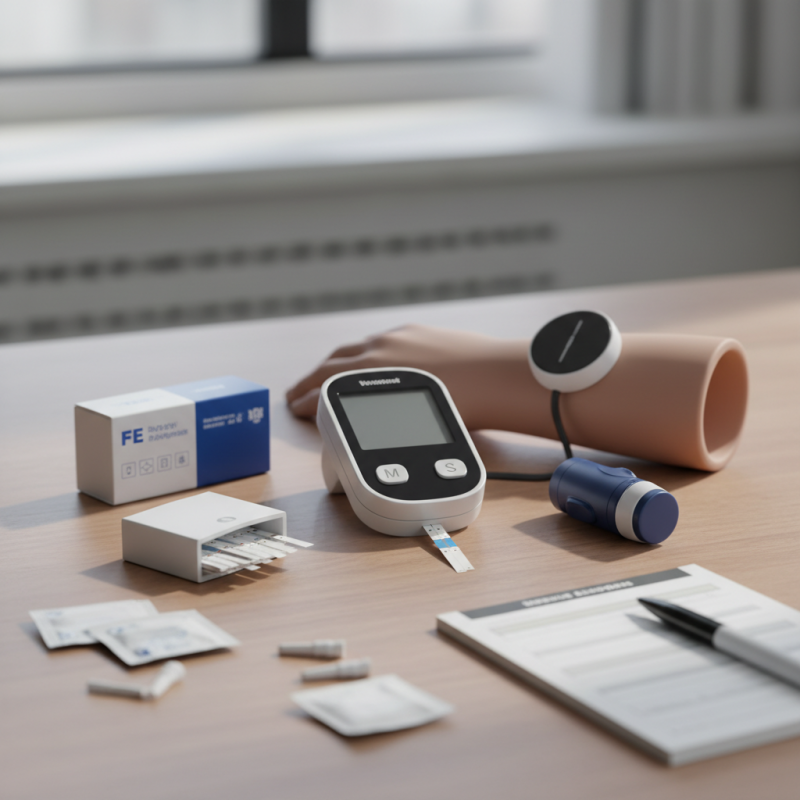
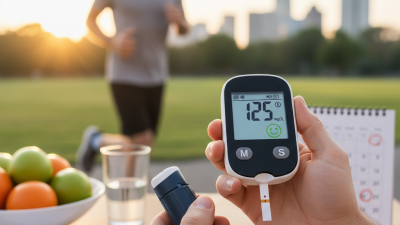
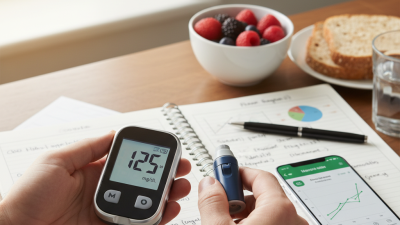
Home blood sugar tests offer convenience. Many people prefer using glucose meters, which provide quick results. Continuous glucose monitors (CGMs) are another option. They track blood sugar levels throughout the day. However, these devices can be costly and may require frequent calibration.
While testing is vital, the accuracy of your method matters. Home tests may not always match lab results. Users should be aware of potential errors. Routine monitoring helps identify patterns in blood sugar levels. Finding the right method is personal and may require some trial and error. Prioritizing reliable blood sugar tests can lead to better health outcomes.
Overview of Blood Sugar Monitoring Methods in China
In recent years, blood sugar monitoring methods in China have evolved significantly. Traditional finger-prick tests remain common, but new technologies are gaining popularity. Continuous glucose monitoring (CGM) systems are particularly appealing for their real-time data. According to a report from the Chinese Diabetes Society, about 16% of diabetes patients use CGM devices in urban areas. This number reflects a growing trust in advanced monitoring.
However, challenges persist. Many individuals still rely on standard glucose meters due to costs. The average price of CGM devices can be prohibitive for some. Furthermore, misunderstanding of how to use these technologies can lead to inaccurate readings. A survey indicated that nearly 30% of users felt unsure about their equipment’s effectiveness. This highlights a need for better education on monitoring methods.
New research emphasizes the importance of personalized monitoring. Different individuals may require distinct approaches to tracking their blood sugar levels. Some may need frequent testing, while others may benefit from less invasive options. The industry's push for innovation is clear, but practicality remains a barrier. The gap between technology and user understanding continues to be a significant consideration for blood sugar management in China.
China Best Blood Sugar Test Methods for Health Monitoring
Importance of Regular Blood Sugar Testing for Health Management
Regular blood sugar testing is vital for maintaining health, especially for individuals at risk of diabetes. Monitoring blood sugar levels provides crucial insights into one's metabolic state. For many, this practice can prevent complications. Frequent checks help identify unusual spikes or dips in glucose levels. These fluctuations can often go unnoticed without regular testing.
The process can be simple yet revealing. Some may find it burdensome or even uncomfortable at times. It’s essential to approach testing with a positive mindset. While some tools might seem intimidating, they provide necessary data for health decisions. Over time, individuals become more comfortable and adept at managing their testing routines. However, not everyone adheres to a consistent schedule. This inconsistency can lead to health risks that might have been avoidable.
Understanding the patterns of blood sugar levels allows for better dietary and lifestyle choices. The importance of awareness cannot be understated. Some may delay testing, thinking they feel fine. Yet, hidden issues could exist beneath the surface. Building a habit of regular testing promotes a proactive attitude toward health. Each individual's journey will have its ups and downs, but commitment to routine testing can guide them toward better health outcomes.
Common Blood Sugar Test Devices Used in China
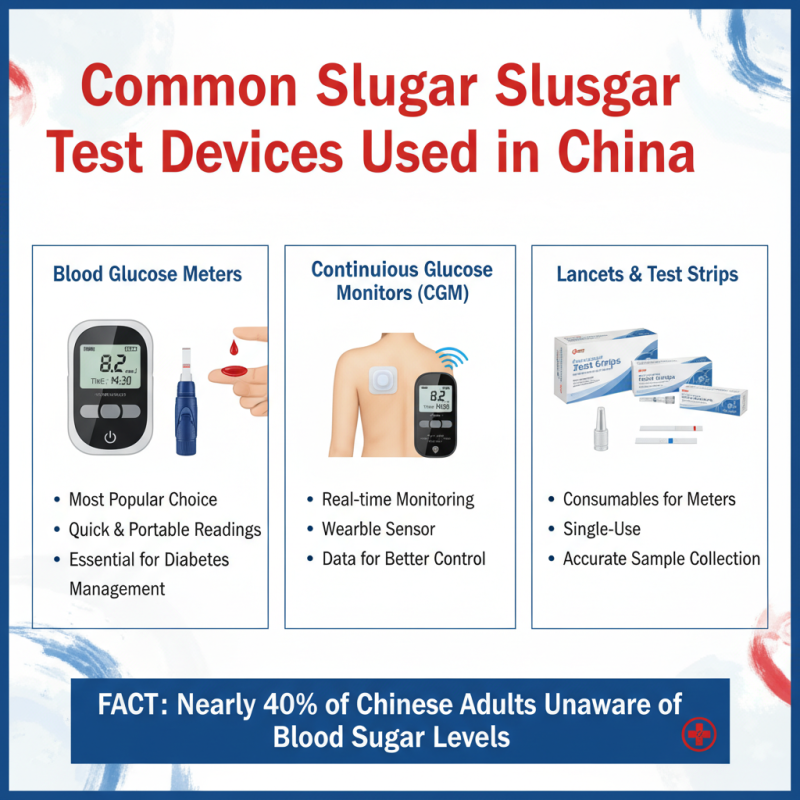
In China, monitoring blood sugar levels is crucial for managing diabetes and overall health. Various test devices are commonly used to facilitate this process. Blood glucose meters are the most popular choice. They provide quick and portable readings, allowing patients to keep their diabetes in check. A study found that nearly 40% of adults in China are unaware of their blood sugar levels, highlighting the need for reliable testing methods.
Another crucial device is continuous glucose monitors (CGMs). These devices track glucose levels in real-time. They can help individuals understand their body’s responses better. However, CGMs can be costly and might not be accessible to everyone. Many patients still rely on traditional blood glucose meters, even if the readings might not always be accurate. Research indicates that improper calibration can lead to significant errors in blood sugar readings.
Tips: Keep your testing device clean. Regular maintenance ensures accuracy. For those looking for alternatives, consider discussing with healthcare providers about available options. Remember, self-monitoring should be part of a broader health strategy. Consistently track your readings, but also reflect on your dietary habits and lifestyle choices.
Emerging Technologies in Blood Sugar Monitoring
Emerging technologies in blood sugar monitoring are rapidly changing health management in China. Continuous glucose monitors (CGMs) have gained popularity among diabetics. These devices provide real-time data on glucose levels, allowing users to make immediate adjustments. They often come with smartphone connectivity for easy tracking.
Wearable devices use advanced sensors to analyze sweat or interstitial fluid. These methods are less invasive than traditional finger-prick tests. The convenience of painless sampling appeals to many users. However, the accuracy of some newer technologies is still under scrutiny. There are concerns regarding their reliability and long-term efficacy.
Smartphone apps also play a critical role. They help users log their diet and activity levels. This can enhance personalized management of blood sugar. Yet, not all apps offer comprehensive data analysis. Users may find themselves sifting through information without clear guidance. As these technologies evolve, continuous improvement is essential to ensure better health outcomes.
Tips for Accurate Blood Sugar Measurement and Interpretation
Monitoring blood sugar levels is crucial for a healthy lifestyle. Accurate measurement is essential for understanding your body's needs. Here are some tips to enhance your testing accuracy.
Maintain a consistent testing schedule. Testing at the same time daily helps track trends. Ensure your hands are clean and dry before testing. This reduces the chance of contamination. Avoid using alcohol wipes. They can affect your results.
When interpreting your measurements, consider other factors. Stress, diet, and exercise can cause fluctuations. Don’t rely solely on one reading. Multiple tests provide a clearer picture. It’s easy to misinterpret a single high reading. Assess the data over days or weeks for better insight.
China Best Blood Sugar Test Methods for Health Monitoring
| Test Method |
Accuracy (%) |
Cost (CNY) |
Convenience |
Recommended For |
| Fingerstick Glucose Test |
95% |
50 |
High, portable |
Daily monitoring |
| Continuous Glucose Monitoring (CGM) |
98% |
2000 |
Very convenient |
Long-term monitoring |
| Venous Blood Test |
99% |
100 |
Moderate, requires lab |
Medical feedback |
| HbA1c Test |
95% |
120 |
Moderate, lab required |
Long-term glucose control |
| Breath-Analyzer Test |
85% |
300 |
High, non-invasive |
Initial screening |

 +86-18343147735
 Email
Email WhatsApp