Top 10 Benefits of Hemoglobin Blood Test for Your Health?
Hemoglobin Blood Tests are a crucial component of health assessment. Dr. Jane Smith, a leading hematologist, states, "This test is vital for early detection of various health issues." Regular testing can identify anemia, monitor chronic diseases, and guide treatment choices.
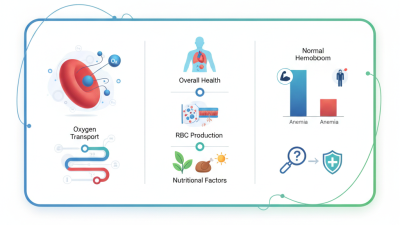
The Hemoglobin Blood Test measures the amount of hemoglobin in your blood. This protein is essential for transporting oxygen. Low levels can indicate potential health risks. For instance, anemia can lead to fatigue and weakness. Many ignore these symptoms until they worsen, highlighting the importance of proactive health measures.
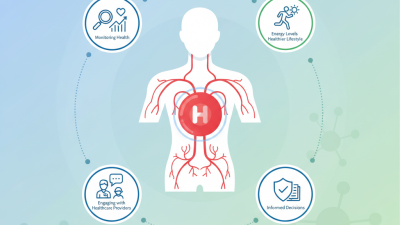
Incorporating routine Hemoglobin Blood Tests into one’s healthcare regimen offers significant benefits. It’s not just about numbers; it’s about understanding your body's needs. Knowledge empowers individuals to make informed decisions. A simple blood test can provide valuable insights, yet many still hesitate. Embracing this proactive approach is essential for better health outcomes.
The Importance of Hemoglobin Levels in Overall Health Management
Hemoglobin levels play a crucial role in our overall health. This protein in red blood cells carries oxygen from the lungs to the body. Low hemoglobin can lead to fatigue and weakness. Monitoring these levels is essential for early detection of potential health issues.
Regular hemoglobin blood tests can reveal underlying conditions. Anemia, for instance, often shows itself through low hemoglobin. Identifying this can help prevent complications. Health management should include awareness of these levels. Many overlook them, assuming fatigue is normal. Education is key to understanding such tests.
The connection between hemoglobin and chronic diseases is significant. Cardiovascular problems can develop with persistent low levels. Patients may miss these warnings. Some might think they’re just tired. It’s important to reflect on our symptoms and seek medical advice when necessary. Ignoring these signs could lead to more severe health issues later.
Top 10 Benefits of Hemoglobin Blood Test for Your Health
| Benefit |
Description |
| Early Detection of Anemia |
The test helps identify low hemoglobin levels indicative of anemia, allowing for timely intervention. |
| Monitoring Chronic Conditions |
Regular hemoglobin tests can track conditions like chronic kidney disease or cancer. |
| Assessing Overall Health |
Hemoglobin levels can reflect overall health status and nutritional deficiencies. |
| Guiding Treatment Decisions |
Results help healthcare providers make informed treatment decisions for various health issues. |
| Evaluating Blood Loss |
The test can help assess the severity of blood loss after surgery or trauma. |
| Supporting Pregnancy Monitoring |
Monitoring hemoglobin levels during pregnancy can prevent complications for both mother and baby. |
| Checking for Dehydration |
High hemoglobin levels can indicate dehydration, prompting further evaluation. |
| Evaluating Oxygen Transport |
Hemoglobin levels show the blood's capacity to carry oxygen, crucial for physical performance. |
| Preventing Complications |
Maintaining optimal hemoglobin levels aids in preventing various complications related to anemia. |
| Promoting Overall Wellness |
Regular testing fosters awareness of health and encourages proactive wellness measures. |
Understanding the Role of Hemoglobin in Oxygen Transport in the Body
Hemoglobin is vital for our health. It plays a major role in oxygen transport throughout the body. Each red blood cell carries hemoglobin, which binds oxygen in the lungs. Then, it delivers this essential gas to tissues and organs, supporting cellular functions. Without adequate hemoglobin levels, our bodies can suffer from fatigue and weakness.
Regular hemoglobin blood tests are important. They help identify issues early on. Low hemoglobin might signal anemia or other health problems. It’s crucial to monitor this to maintain overall health. In contrast, elevated levels can indicate dehydration or other conditions requiring further evaluation.
**Tip**: Stay hydrated and eat iron-rich foods! Incorporate spinach, lentils, and lean meats into your diet. Regular exercise also enhances oxygen utilization in your body.
It’s worth reflecting on your lifestyle. Are you getting enough nutrients? How does stress impact your health? Small changes today can lead to better hemoglobin levels tomorrow. Make sure you get checked regularly!
How Hemoglobin Blood Tests Assist in Diagnosing Anemia and Other Conditions
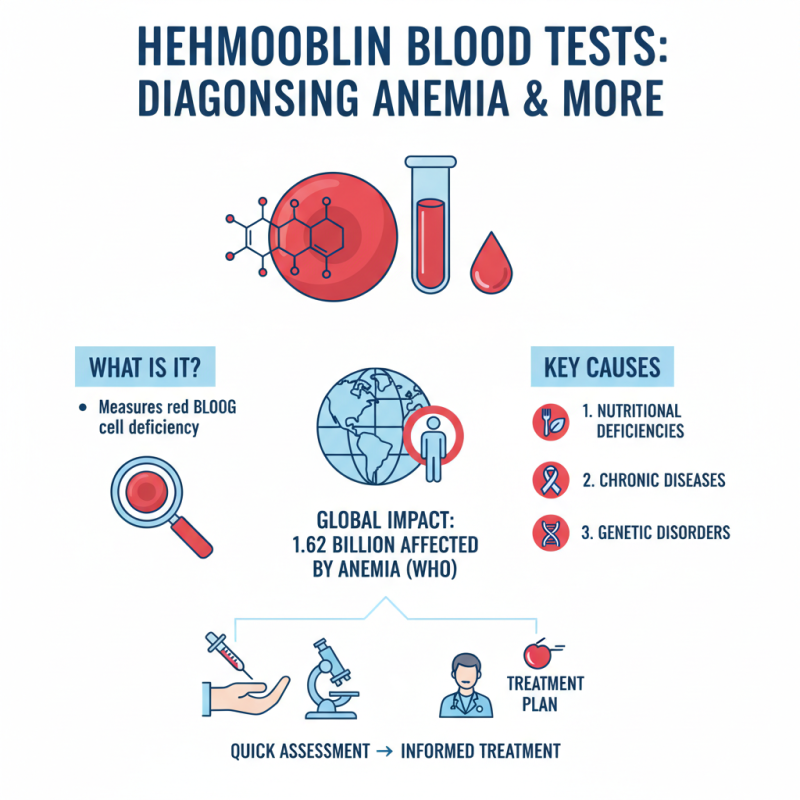
Hemoglobin blood tests play a crucial role in diagnosing anemia and various other medical conditions. Anemia affects approximately 1.62 billion people globally, according to the World Health Organization. A simple hemoglobin test can help identify a deficiency in red blood cells. This deficiency often stems from nutritional deficiencies, chronic diseases, or genetic disorders. By measuring hemoglobin levels, healthcare providers can quickly assess a patient's condition and recommend appropriate treatment.
In addition to anemia, hemoglobin tests can assist in identifying conditions like thalassemia and sickle cell disease. These conditions often go undiagnosed, leading to serious health complications. Studies show that early detection can improve patient outcomes significantly. For instance, individuals with thalassemia who receive timely interventions exhibit better quality of life. Moreover, these tests are not only cost-effective but also easy to perform, making them accessible to many patients.
While hemoglobin tests are beneficial, they are not infallible. Some patients may receive false results due to hydration status or recent blood loss. Therefore, healthcare providers should interpret results cautiously. Understanding these nuances is essential for proper diagnosis and treatment. The goal is to ensure that patients receive comprehensive care tailored to their specific conditions.
The Impact of Hemoglobin Tests on Monitoring Chronic Diseases
Hemoglobin tests play a crucial role in managing chronic diseases such as diabetes and kidney disorders. These tests measure the levels of hemoglobin in the blood, providing insights into oxygen transport and overall health. According to the World Health Organization, approximately 1.6 billion people globally are affected by conditions related to hemoglobin levels. Regular testing can lead to early interventions that significantly improve patient outcomes.
Monitoring hemoglobin levels helps detect anemia, a common issue in chronic disease patients. Anemia can exacerbate fatigue, complicating treatment. A report from the CDC indicates that consistent hemoglobin monitoring can reduce hospitalization rates by up to 30% among chronic disease patients.
Tips: Incorporate routine hemoglobin tests in yearly health assessments. Discuss your results with a healthcare professional. Staying informed about your levels can foster proactive health management. Remember, awareness is half the battle. Regularly examine your diet. Foods rich in iron can positively influence your hemoglobin levels. Small but consistent changes can yield significant benefits.
Key Trends in Hemoglobin Blood Test Usage and Health Outcomes in 2023
The hemoglobin blood test has gained significant attention in 2023. Many health professionals emphasize its importance in monitoring overall well-being. This simple test measures hemoglobin levels, reflecting your blood's oxygen-carrying capacity. Low levels can indicate anemia, while high levels may suggest dehydration or other health issues.
Key trends show that more people are getting regular hemoglobin tests. This is partly due to increased awareness of chronic diseases. Enhanced access to testing facilities also plays a role. For instance, community health programs offer these tests at minimal or no cost. Those who prioritize preventive care often find that understanding hemoglobin levels can lead to better health choices.
However, there are challenges in interpreting the results accurately. Factors like hydration status and altitude can distort readings. Patients may misinterpret results without proper guidance. It’s crucial to discuss test outcomes with healthcare providers. Personalized insights can help connect hemoglobin levels to broader health trends. Adopting a more proactive approach, while acknowledging these nuances, can empower individuals to improve their health journeys.

 +86-18343147735
 Email
Email WhatsApp